Fish Farming: A Sustainable and Profitable Agribusiness
Property Description
Fish Farming: A Sustainable and Profitable Agribusiness
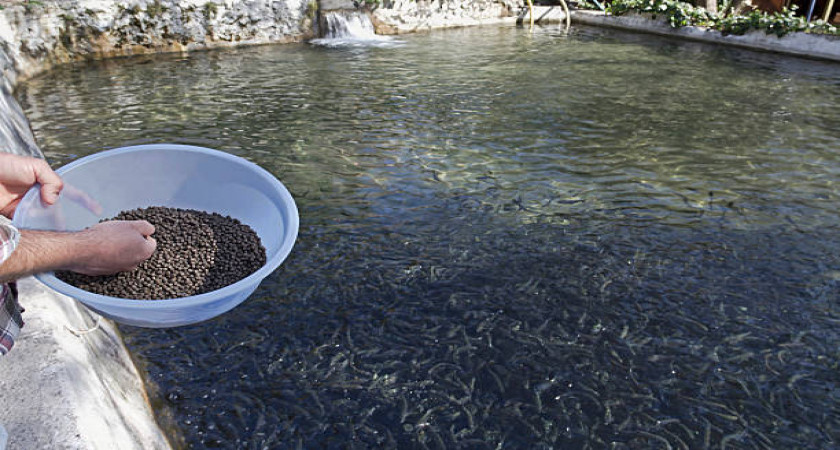
Fish farming, also known as aquaculture, is the controlled cultivation of fish for commercial purposes. With global fish consumption steadily rising and wild fish stocks declining due to overfishing, fish farming has become one of the fastest-growing agricultural sectors worldwide. Commonly farmed species include catfish, tilapia, salmon, trout, and shrimp.
Why Invest in Fish Farming?
-
Rising Global Demand
Fish is a major source of protein for billions of people. According to FAO reports, global fish consumption has more than doubled in the last 50 years. As populations grow and dietary preferences shift toward healthier protein sources, the demand for farmed fish continues to expand. -
High Profitability
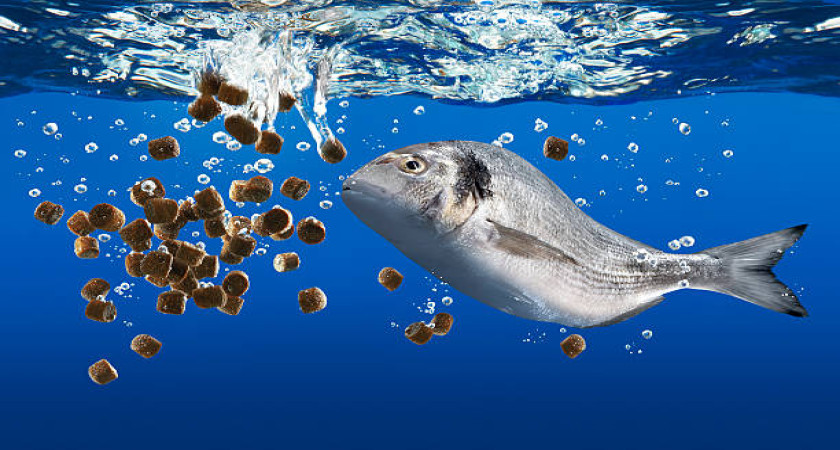
Fish farming is known for its favorable feed-to-meat conversion ratio, meaning fish convert feed into edible protein more efficiently than cattle or poultry. This translates into lower costs and higher profit margins. -
Short Growth Cycle
Many fish species, such as catfish and tilapia, mature within 4–6 months, allowing investors to recover their capital quickly and cycle production multiple times per year. -
Scalability & Flexibility
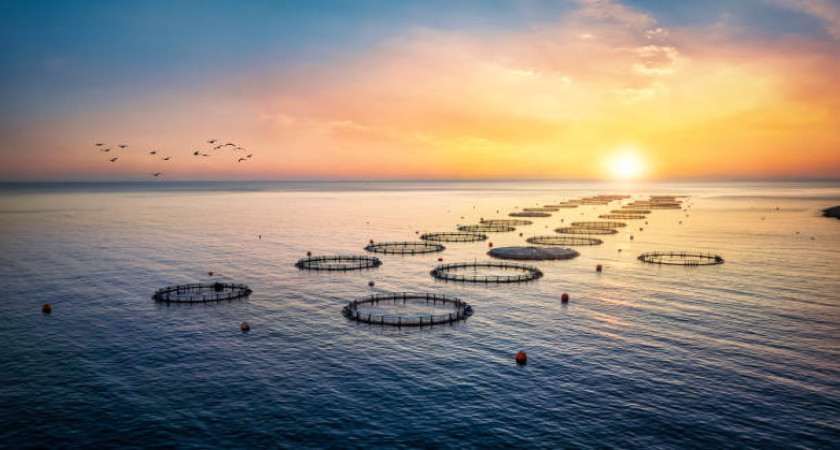
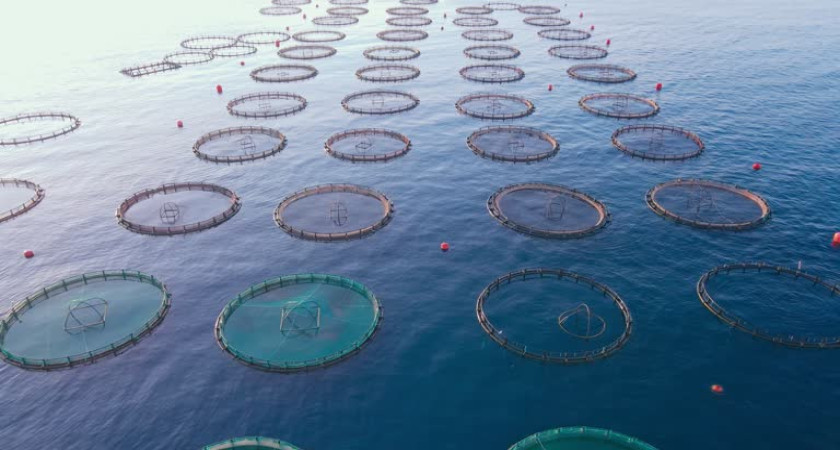
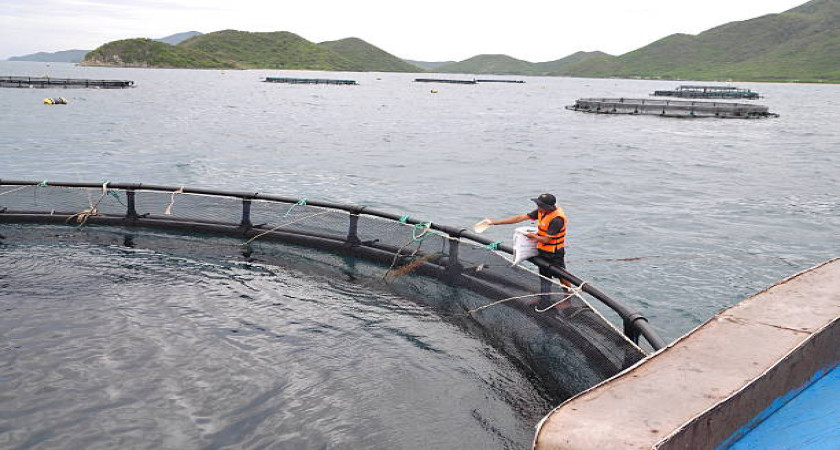
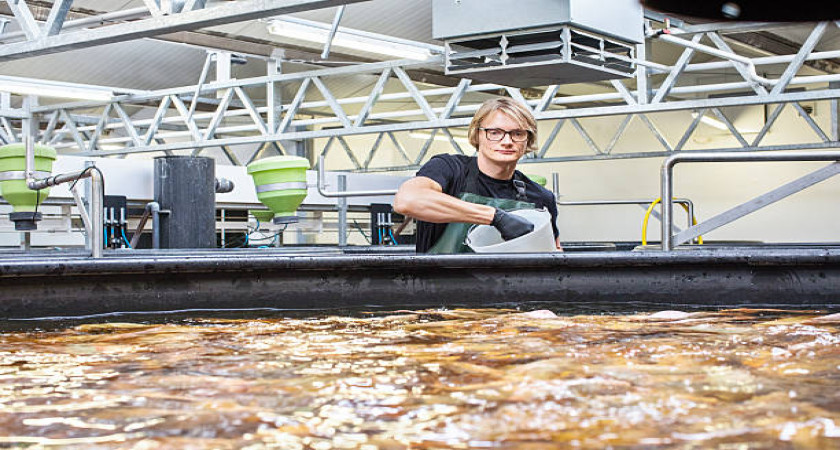
Fish farming can be carried out on a small scale (backyard ponds, tanks) or at an industrial level with earthen ponds, recirculating aquaculture systems (RAS), or cage farming in rivers and lakes. This makes it adaptable for different investment levels. -
Export & Processing Opportunities
Farmed fish has a large market in local communities, restaurants, and supermarkets. Investors can also expand into value addition—filleting, smoking, freezing, or canning fish for export. Shrimp and salmon, in particular, command high prices in international markets. -
Employment & Food Security
Fish farming creates jobs in hatcheries, feed production, harvesting, processing, and distribution. It also contributes to reducing pressure on wild fish populations, making it a sustainable investment for the future.
Investment Benefit Snapshot
-
ROI Potential: High, with short maturity cycles and strong demand.
-
Market Reach: Local markets + international seafood trade.
-
Startup Cost: Flexible—small ponds require minimal investment, while large aquaculture systems demand higher capital.
-
Sustainability: Supports food security and reduces reliance on overfishing.
✅ In summary: Fish farming is a profitable, fast-growing, and sustainable agribusiness, offering consistent demand, quick returns, and opportunities for value addition and exports. With the right management in feeding, water quality, and disease control, investors can achieve strong and reliable profits while contributing to global food security.
Location
Share now
$20,000.00
Per share amountReal Estate Investor

Chantal Tirreli
Join 7 months ago
Tuija Rauvola
Join 7 months agoLatest Properties


